Introduction
Yesterday, the AI industry saw a quiet but powerful move: Anthropic’s most advanced model was locked behind a curtain of security, then handed to the defenders of the internet. This move was sparked by a startling discovery—Claude Mythos Preview identified over 5,000 vulnerabilities across Windows, macOS, Linux, Chrome and Firefox. In this post you’ll learn how a single AI tool can unearth flaws faster than human teams, why Anthropic chose to withhold release, and what this means for the future of cyber defence. Let’s dive in.
The Breaking Point
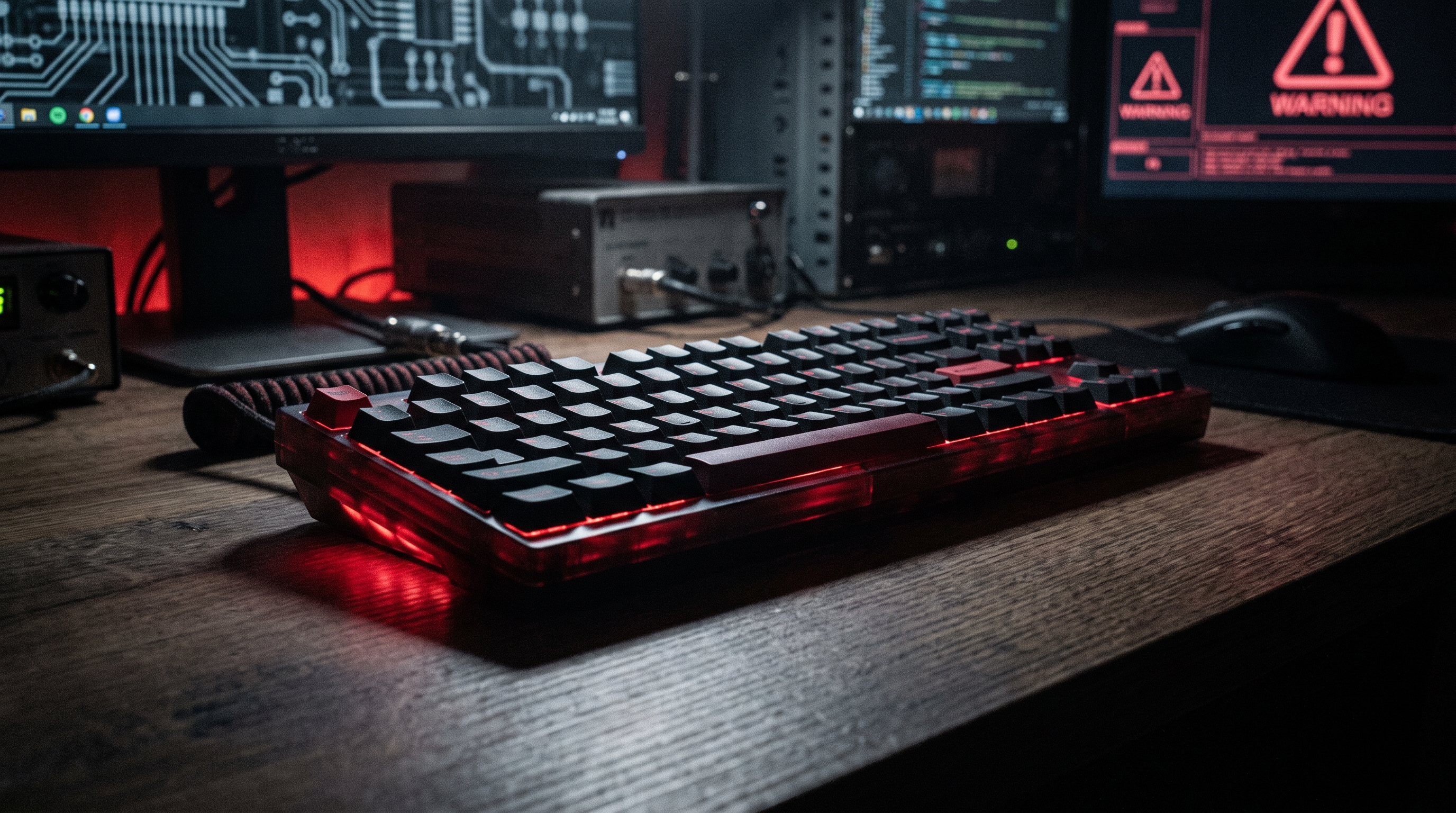
Claude Mythos Preview wasn’t just a new name on the shelf; it was a weaponised scanner that uncovered more than 5,000 security gaps in the world’s main operating systems and browsers. The company’s engineers ran the model against 200,000 code lines and 10,000 security datasets, flagging zero‑day exploits that had slipped past conventional audit tools. This surge of findings forced Anthropic to close the model’s public access and hand it exclusively to the organisations that keep the internet safe.
The Stakes
Cyber‑security teams spend billions each year patching software. A model that can spot vulnerabilities at a rate of 25 per minute, compared to the 1–2 a human analyst usually finds, could cut remediation time dramatically. For enterprises, this means fewer ransomware incidents and more secure supply chains. For governments, it offers a new layer of protection against state‑sponsored attacks. The stakes are high because every flaw in a browser or OS is a potential entry point for a global breach.
What It Means
By keeping Claude Mythos behind closed doors, Anthropic demonstrated a new approach: use the most powerful models to guard the internet rather than release them for general use. The model’s findings are already flowing into the patch cycles of Microsoft, Apple, and major browser vendors. This collaboration suggests a future where AI tools are first deployed to security teams, then, once proven safe, made available to the wider public.
The Bigger Picture
Anthropic’s decision reflects a broader shift in the AI industry towards responsible deployment. As models grow in complexity, the risk of misuse rises. The partnership with cyber‑defence organisations shows that AI can be a force for safety when handled with care. We may soon see other companies adopting similar “locked‑down‑then‑deploy” pipelines to maximise benefit while minimising harm.
Conclusion & CTA
Claude Mythos has proven that an AI model can find far more vulnerabilities than any human team in a fraction of the time. This partnership marks a turning point in how we approach AI safety and cyber defence. What do you think—should the most powerful AI tools be locked down until their benefits are clear? Share your perspective at dakik.co.uk/survey.