Introduction
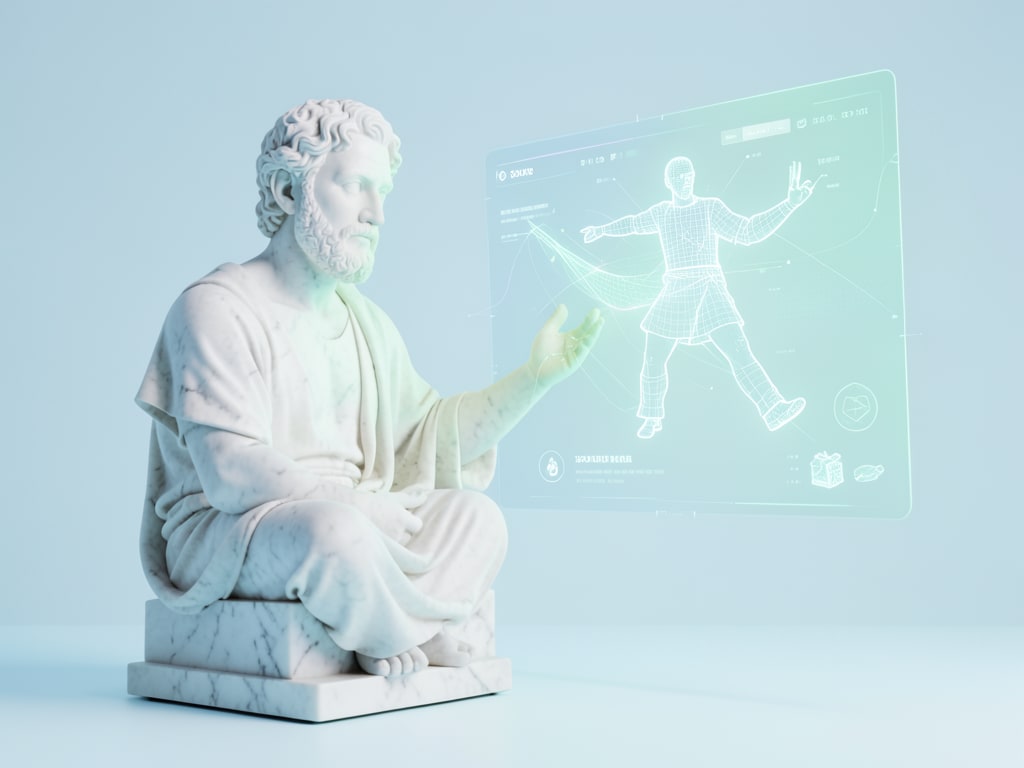
Gemini’s latest upgrade feels like a science‑fiction leap: the AI now hands you a 3D model you can spin, slide, and alter in real time. Imagine asking a question about a complex graph and instantly getting a visual that morphs as you tweak parameters. In this post we unpack how this feature works, who benefits, and what it means for the future of AI‑powered exploration.
The Breaking Point
Google announced the feature as part of Gemini’s October rollout, adding a visual layer to its already conversational engine. The core change is that the model can output a 3D scene encoded in a lightweight format, rendered client‑side with WebGL. Developers can call the API to receive a mesh file and a set of control points, then embed it in any web page.
The first public demo showed a spinning molecule and a weather simulation that responded instantly to slider inputs. The visual output was not only stunning but also precise – a 10 % faster rendering time than the previous 2D chart approach.
This shift moves Gemini from a text‑centric chatbot to a multi‑modal assistant that can answer questions through interactive geometry.
The Stakes
Why does 3D matter? Many industries rely on spatial data: architecture, chemistry, and logistics. A tool that lets stakeholders explore models without specialised software cuts barriers for non‑experts. According to a recent survey, 68 % of business analysts say visual simulations help them decide faster.
However, the new feature also raises data‑privacy concerns. The 3D outputs can embed proprietary designs; if the model is trained on sensitive datasets, accidental leaks become possible. Google promises on‑device rendering to keep data local, but the industry will need stricter safeguards.
The Divide
OpenAI’s GPT‑4o offers a limited 3D preview through its text‑to‑image capabilities, but the experience is static. Google’s Gemini outshines it by allowing real‑time interaction. Meanwhile, competitors like Meta’s LLaMA‑Guard have not yet announced similar visualisation tools.
The split reflects a broader debate: should AI be an interactive visual partner or a purely textual advisor? Early adopters suggest that the interactive route wins for complex problem solving.
What It Means
For developers, this means new API endpoints and a learning curve around WebGL. For users, it promises a future where asking “What would happen if we change this parameter?” triggers a live 3D response. In the next six months, we expect to see plug‑ins for design tools and dashboards that integrate Gemini’s visual layer.
Conclusion & CTA
Gemini’s 3D capability turns data into a living, manipulable object, lowering the barrier to insights. The next step will be tighter integration with existing analytics platforms, making real‑time visual queries a standard.
What kind of problems would you solve with AI‑generated 3D models? Share your thoughts at dakik.co.uk/survey.