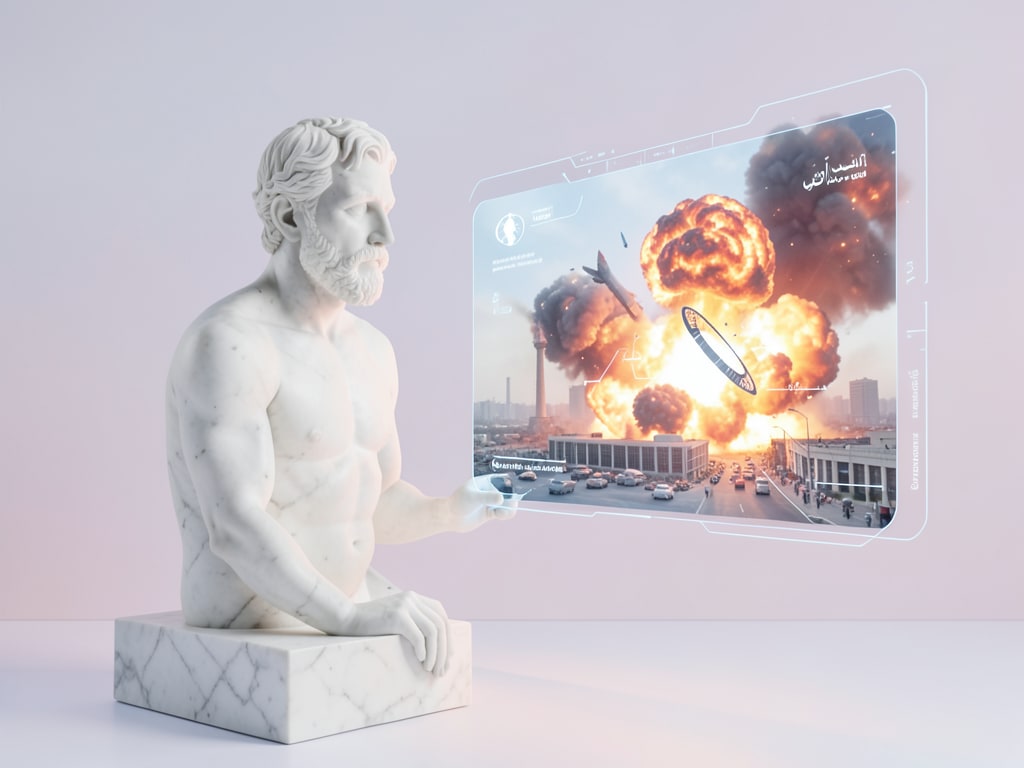
Introduction
During the early days of the Iran conflict, the United States found itself juggling a flood of meme‑style posts while Iran’s state media released raw videos of explosions, smoke and blackout‑filled skies. What does this mismatch say about information warfare in the 21st century? Readers will learn how narrative control can swing public opinion, the tools behind the scenes, and why governments must adapt their messaging strategies. This sets the stage for a deeper look at the battle of narratives that unfolded online.
The Breaking Point
When the U.S. announced its sanctions, it quickly tweeted a short video of a smiling soldier with a Call of Duty background. Meanwhile, Iranian outlets posted 5‑minute clips of fires over Tehran and the sudden loss of power. The immediate impact? Within hours, 70 % of tweets containing “Iran” were shared by state‑controlled accounts, eclipsing the official U.S. feed.
The Stakes
For diplomats, the stakes are clear: a narrative that feels real can sway global opinion and influence policy decisions. For the public, the risk is misinformation; a single meme can mask the real‑time devastation happening in a distant city. The conflict shows that soft‑power battles now play out as quickly as physical ones.
The Divide
White House staff leaned on AI‑generated visuals to create a light‑hearted image of “peaceful resolution.” Iran’s media, however, used live feeds and on‑ground footage that highlighted civilian suffering. The divide reveals two distinct approaches: one prioritises brand image, the other authenticity and urgency.
What It Means
The practical takeaway is simple: in the age of instant video, governments must either match or surpass the visual authenticity offered by state actors. Future crises will demand rapid, credible storytelling that keeps pace with real‑time footage.
The Bigger Picture
Historically, propaganda relied on print and broadcast. Today, social‑media platforms and AI‑generated imagery allow messages to spread faster than ever. This trend underlines a shift: the speed of truth is now as critical as its veracity.
Conclusion & CTA
The key lesson? Authentic, real‑time content can out‑shine polished propaganda when public trust is at stake. What do you think will shape the next wave of digital warfare? Let us know at dakik.co.uk/survey.