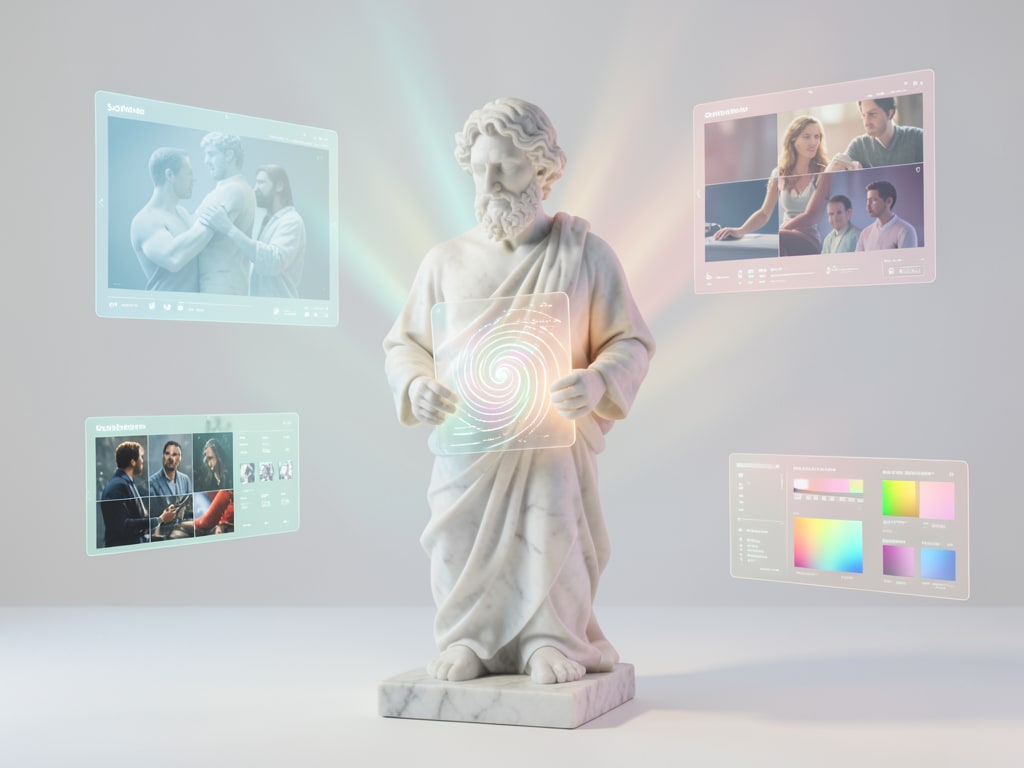
The Rise of Custom AI in Film
In the past year, studios have started to replace a one‑size‑fits‑all approach with highly tuned AI solutions. Instead of relying on pre‑trained models that can’t capture a director’s unique vision, filmmakers are now commissioning bespoke models that understand their specific visual style, narrative beats, and brand voice.
From Sora to Veo: What These Models Offer
Popular generative platforms such as Sora, Veo, and Runway provide powerful building blocks, but they are often limited by licensing and generic outputs. Custom models trained on a studio’s own footage, CGI libraries, and soundtracks produce results that feel more authentic—and they can be updated iteratively as a project evolves.
Why “One‑Size‑Fits‑All” AI Is a Myth in Cinema
Generic AI tools struggle with the nuance of storytelling: character intent, subtle lighting cues, or a brand’s signature colour palette. A bespoke model can ingest thousands of hours of a franchise’s footage and learn to replicate the exact look and feel, reducing the risk of uncanny or off‑brand results.
Practical Use Cases
- Pre‑production – Automatic storyboard generation from a rough script, saving editors hours of manual layout work.
- Visual Effects – AI‑powered rotoscoping that learns a film’s lighting environment, cutting down on manual cleanup.
- Audio Post‑production – Voice‑cloning models that can match an actor’s timbre while respecting ethical guidelines.
- Marketing – Rapid teaser creation that matches a film’s tone, enabling quick A/B testing for trailers.
The Future: AI as a Collaborator
The trend isn’t about replacing human talent but amplifying it. Directors like Ben Affleck are experimenting with AI to refine their storytelling, and early adopters report a significant boost in creative freedom and budget efficiency.
Getting Started
- Identify the Need – What part of your pipeline can benefit from a custom AI tool? 2. Collect Data – Gather a high‑quality dataset that represents the style you want to emulate. 3. Choose a Platform – Work with providers that offer fine‑tuning and ethical guidelines. 4. Iterate – Treat the model as a living asset that evolves with your project.
Ready to Dive In?
If you’re curious about how bespoke AI can transform your next film or series, we’d love to hear from you. Take our quick survey and help shape the future of AI‑driven storytelling! dakik.co.uk/survey