The Deepfake Dilemma
In recent years, AI‑generated videos have slipped into the public discourse, sometimes with serious political and journalistic repercussions. Detecting these fakes is becoming as critical as filtering spam.
How YouTube’s Likeness Detection Works
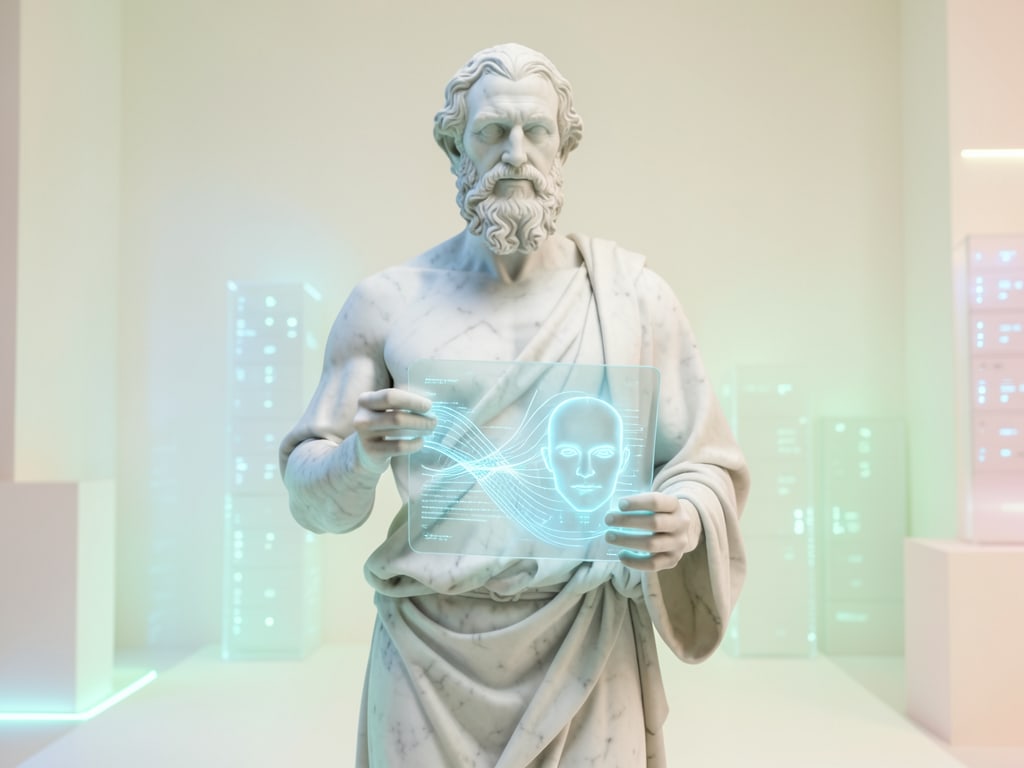
YouTube’s system uses machine‑learning models that map a person’s facial geometry to flag videos containing their digital doppelgängers. Once a match is confirmed, creators receive a notification and an option to report.
Extending the Shield to the Media
Starting Tuesday, a pilot group of journalists, government officials, and political candidates will gain access to this tool. The move signals a broader push to protect the integrity of public narratives.
Why It Matters
For politicians, a deepfake can distort public perception and election outcomes. For journalists, a fabricated clip can damage credibility. The tool aims to safeguard both democratic processes and the truth‑seeking mission of the press.
Pilot Program Details
The pilot will involve a select cohort of high‑profile YouTubers. They’ll receive real‑time alerts if a video contains a deep‑fake version of their likeness, alongside guidance on how to respond.
Protecting Your Digital Identity
Public figures should consider adding a unique watermark or signature to their videos. Combining human oversight with AI tools provides the best defense.
The Road Ahead
YouTube plans to roll out the feature to all creators in the coming months. Industry experts predict similar safeguards will become standard on other platforms.
Join the Conversation
The AI battle isn’t over yet. Your voice matters—share your thoughts and help shape future policy by taking our quick survey.
Take the survey now and help us shape the future of digital integrity: